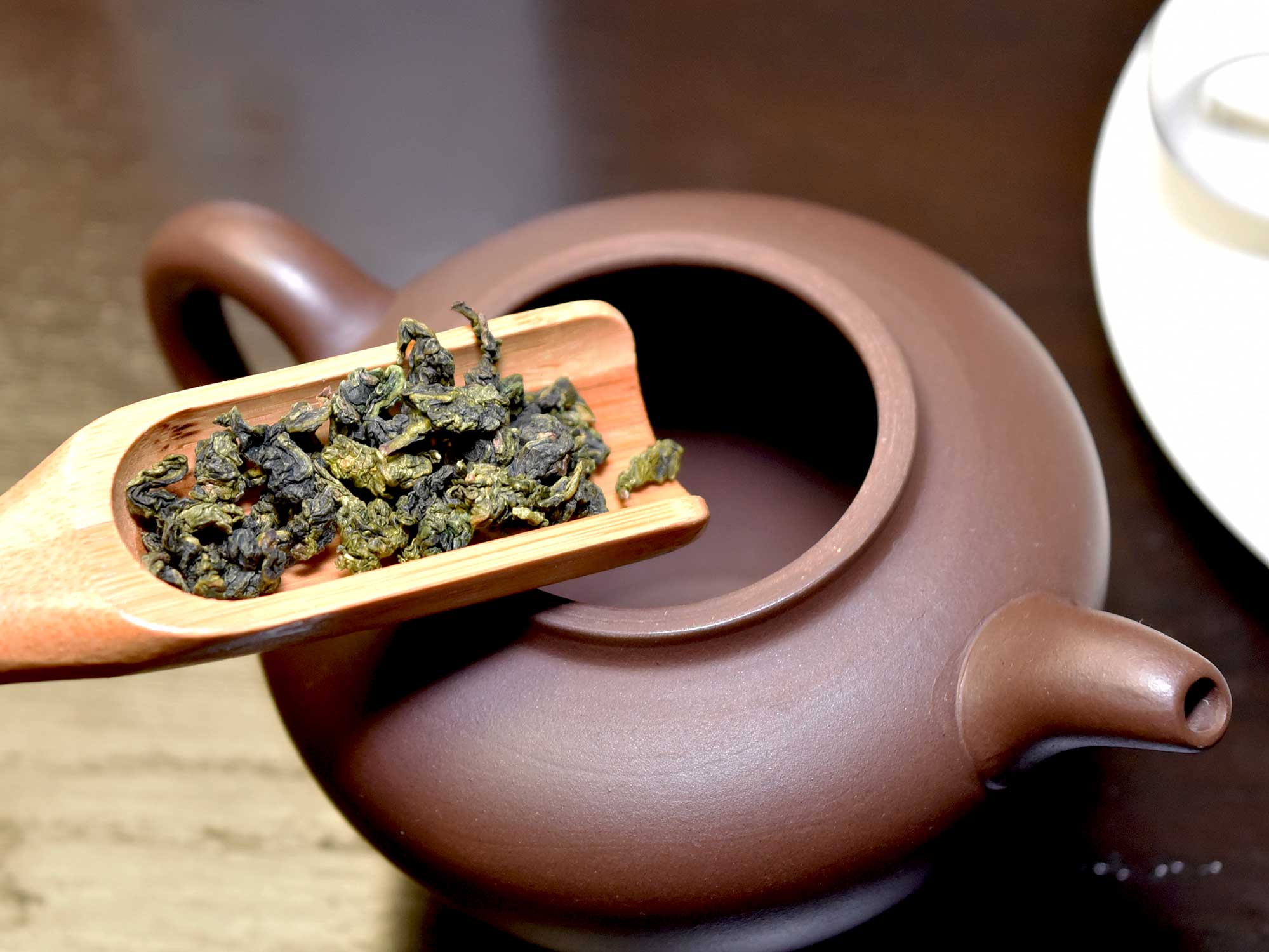
Gaiwan or Yixing Clay

Choosing between a porcelain Gaiwan and a Yixing clay teapot is one of the most exciting milestones for any loose leaf tea lover. It represents the shift from simply drinking tea to practicing the art of brewing it.
The core difference between the two vessels comes down to a single property: porosity. One acts as a perfect, neutral mirror for whatever tea you put inside it, while the other acts as an active partner, evolving alongside your favorite teas over time.
The Breakdown: Gaiwan vs. Yixing Clay
| Feature | Porcelain Gaiwan | Yixing Clay Teapot |
| Material | Glazed Porcelain | Unglazed Purple Clay (Zisha) |
| Porosity | Zero (Non-porous) | High (Porous) |
| Heat Retention | Moderate (Cools down faster) | High (Retains heat beautifully) |
| Flavor Impact | Neutral (Shows the tea exactly as it is) | Mellowing (Mutes bitterness, rounds edges) |
| Tea Versatility | Can change tea types every single session | Dedicated to one specific tea category |
| Price Point | Budget-friendly ($15 – $30+) | Investment piece ($60 – $300+) |
Deep Dive: How Material Dictates Flavor
The Porcelain Gaiwan: The Honest Evaluator
A Gaiwan is a traditional three-piece set: a saucer, a handleless bowl, and a lid. Because it is made of vitrified, glazed porcelain, it is completely non-porous.
- Why it’s great: It absorbs absolutely nothing. If you brew a highly fragrant Jasmine Dragon Pearl oolong, the porcelain will perfectly reflect those delicate, volatile floral top notes without trapping them. When you finish, you can wash it with hot water, and it is instantly a blank canvas ready for a deep, earthy black tea or a fresh green tea.
- The Catch: It offers no structural “help” to the tea. If your water is a little too hot or you steep a few seconds too long, the Gaiwan will honestly reveal that bitterness. It also gets quite hot to the touch, requiring a bit of finger technique to pour without burning yourself.
The Yixing Clay Teapot: The Flavor Alchemist
Hailing from the Yixing region of Jiangsu province, China, these teapots are crafted from unique, iron-rich purple clay (Zisha). Because the clay is left unglazed, it remains microscopicly porous.
- Why it’s great: Every time you brew tea in a Yixing pot, the porous walls absorb a tiny amount of the tea’s natural essential oils. Over months and years of use, the pot develops a “seasoning” or patina. It actively rounds out the harsh, bitter, or highly astringent edges of a brew, making the tea taste noticeably smoother, thicker, and more texturally complex. Its superior heat retention keeps the water piping hot, which is perfect for tightly rolled oolongs that need high thermal energy to unfurl.
- The Catch: Memory. Because it drinks what you brew, a Yixing pot will remember flavors. If you brew a smoky, roasted Rock Oolong in it today, and a delicate, floral Green Oolong tomorrow, the flavors will clash horribly in the clay. You must dedicate a Yixing pot to one specific class of tea (e.g., roasted oolongs, strip-style oolongs, or aged teas).
How to Choose for Your Oolong Tea
Oolong tea is incredibly diverse, ranging from bright and green to dark and heavily roasted. Here is how to pick the right tool for your specific tea style:
Go with the Gaiwan if:
- You love Light, Floral, or Fragrant Oolongs (like high-mountain Alishan, Tieguanyin, or Jasmine Dragon Pearls). The non-porous porcelain preserves the crisp, delicate aromas that high-quality clay might accidentally swallow up.
- You want to explore many different kinds of tea in a single week without owning five different teapots.
- You want to hone your brewing precision and truly analyze the leaf.
Go with a Yixing Clay Teapot if:
- You favor Dark, Heavily Roasted, or Aged Oolongs (like Wuyi Rock tea, Da Hong Pao, or heavily baked Dong Ding). The thick clay walls retain the high heat these teas demand, while the porosity tempers any aggressive charcoal or bitter notes, emphasizing the deep, honeyed sweetness beneath.
- You have a specific oolong you drink almost daily and want to experience how a dedicated pot enhances its body and mouthfeel over time.
The Perfect Beginner Strategy: Start with a simple 100ml to 120ml white porcelain Gaiwan. It is affordable, lets you see the color of the liquor clearly against the white background, and allows you to learn the baseline flavor of your oolongs. Once you find an oolong variety you are completely obsessed with, invest in a dedicated Yixing pot to take that specific flavor profile to the absolute peak.