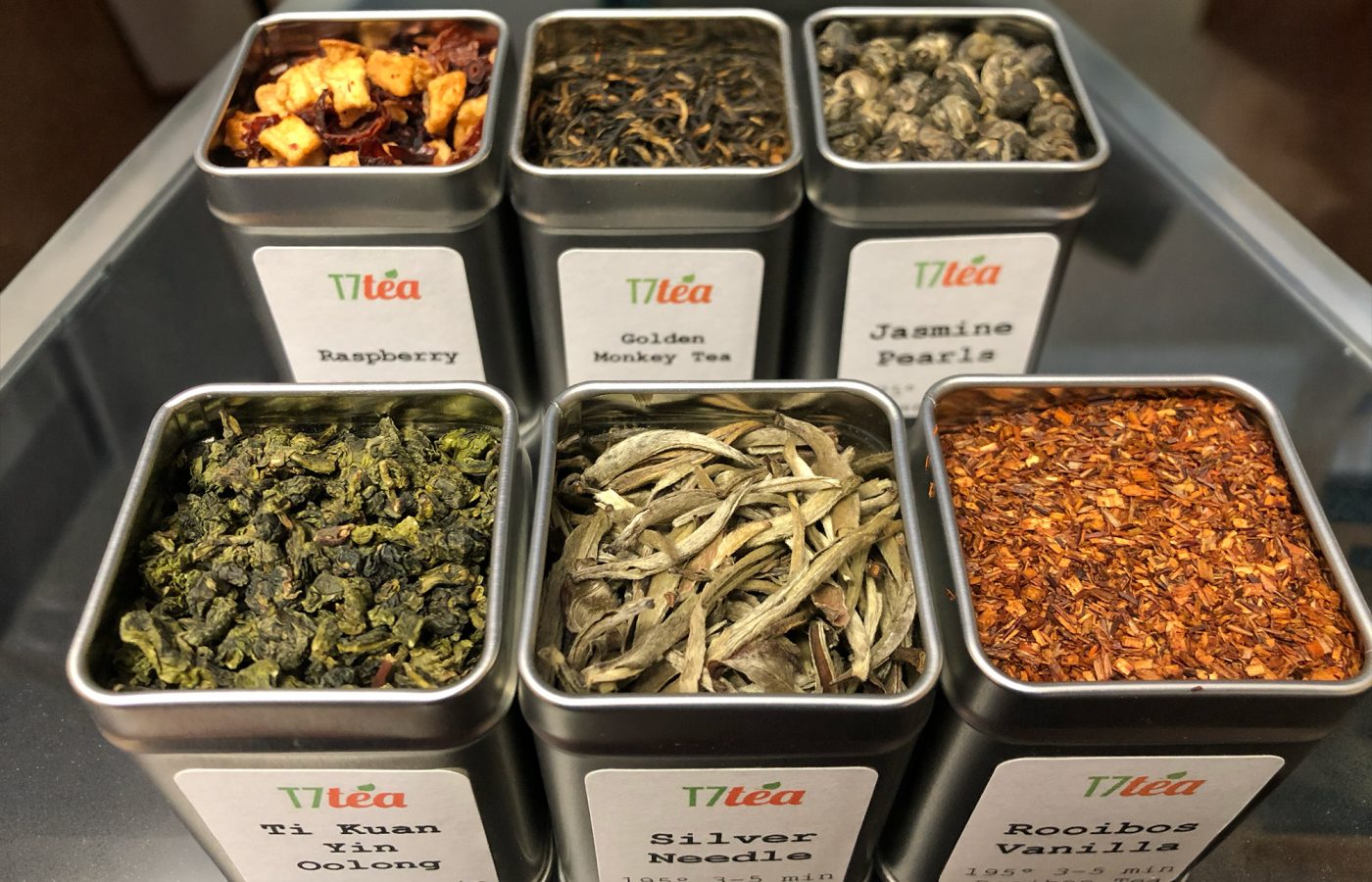
Choosing Loose Teas

How to Choose Loose Tea: A Dallas Tea Lover’s Guide to Finding the Perfect Cup
For many tea drinkers in Dallas, Texas, stepping into the world of loose leaf tea can feel exciting and overwhelming at the same time. Questions such as “Which tea is the best?” and “How do I choose the right loose tea?” are among the most common questions asked by both beginners and experienced tea enthusiasts.
The truth is that there is no single “best” tea. The best tea is the one that matches your taste preferences, brewing style, lifestyle, and even the season. Whether you enjoy delicate floral notes, bold malty flavors, refreshing iced tea, or caffeine-free herbal infusions, understanding the major tea categories can help you discover your perfect cup.
In this guide, we’ll explore the most popular loose leaf tea categories in the United States and help Dallas tea lovers choose the right tea for every season.
Why Loose Leaf Tea?
When brewed properly, loose tea can offer:
- Better flavor complexity
- More natural aroma
- Greater variety of tea styles
- Multiple infusions from the same leaves
- Better customization for strength and taste
White Tea: Delicate, Smooth, and Refreshing
White tea is one of the least processed tea types, making it popular among tea drinkers who appreciate subtle flavors and gentle aromas.
Flavor Profile
- Light-bodied
- Naturally sweet
- Floral and delicate
- Very smooth when brewed correctly
Tea Strength
White tea is generally mild compared to black tea or mate.
Average Caffeine Content
Approximately 15–30 mg of caffeine per 8-ounce cup, depending on the variety and brewing method.
Recommended Brewing Method
- Tea Amount: 1–2 teaspoons per 8 ounces of water
- Water Temperature: 170–185°F (77–85°C)
- Steep Time: 2–5 minutes
- Re-Steeps: 2–3 infusions
Using water that is too hot can overwhelm white tea’s delicate flavors. For cold brew, steep in cold water for 6–8 hours in the refrigerator.
Best Served
- Hot tea
- Iced tea
- Cold brew tea
For Dallas summers, white tea makes an excellent cold brew option. Simply steep the tea in cold water for several hours in the refrigerator for a naturally sweet and refreshing beverage.
Best For
Tea drinkers who enjoy smooth, elegant flavors without strong bitterness.
Green Tea: Fresh and Versatile
Green tea remains one of America’s most popular tea categories. Its fresh character and wide variety make it a favorite among both beginners and long-time tea enthusiasts.
Flavor Profile
- Fresh and grassy
- Vegetal
- Sweet to mildly savory
- Clean finish
Tea Strength
Light to medium.
Average Caffeine Content
Approximately 25–45 mg of caffeine per 8-ounce cup.
Recommended Brewing Method
- Tea Amount: 1 teaspoon per 8 ounces of water
- Water Temperature: 160–180°F (71–82°C)
- Steep Time: 1–3 minutes
- Re-Steeps: 2–3 infusions
Avoid boiling water, as it can create bitterness and mask the tea’s natural sweetness.
Best Served
- Hot tea
- Iced tea
- Cold brew
Green tea shines during Texas spring and summer months. Cold brewed green tea often develops a smoother flavor while minimizing bitterness.
Best For
Those who enjoy refreshing and clean-tasting teas.
Oolong Tea: The Perfect Middle Ground
Oolong tea bridges the gap between green tea and black tea. Depending on the style, it can be floral and light or rich and roasted.
Flavor Profile
- Floral
- Fruity
- Creamy
- Toasted or roasted
Tea Strength
Medium.
Average Caffeine Content
Approximately 30–50 mg of caffeine per 8-ounce cup.
Recommended Brewing Method
- Tea Amount: 1–2 teaspoons per 8 ounces of water
- Water Temperature: 185–205°F (85–96°C)
- Steep Time: 3–5 minutes
- Re-Steeps: 3–5 infusions
Lighter oolongs generally benefit from slightly cooler water, while roasted oolongs perform well with hotter temperatures.
Best Served
- Hot tea
- Premium iced tea
Many tea lovers consider oolong one of the most versatile tea categories because of its broad flavor spectrum.
Best For
Tea drinkers who enjoy exploring different flavor profiles.
Black Tea: Bold and Comforting
Black tea is one of the most familiar tea categories in the United States and remains a staple for many tea lovers.
Flavor Profile
- Rich
- Malty
- Robust
- Full-bodied
Tea Strength
Medium to strong.
Average Caffeine Content
Approximately 40–70 mg of caffeine per 8-ounce cup.
Recommended Brewing Method
- Tea Amount: 1 teaspoon per 8 ounces of water
- Water Temperature: 200–212°F (93–100°C)
- Steep Time: 3–5 minutes
- Re-Steeps: 1–2 infusions
Black tea is generally brewed with near-boiling water to fully develop its bold flavor profile.
Best Served
- Hot tea
- Southern-style iced tea
- Milk tea
During Dallas winters and cooler weather, black tea provides a comforting and satisfying tea experience. During summer, it makes a refreshing iced tea that pairs perfectly with Texas barbecue and outdoor gatherings.
Best For
Those who enjoy strong flavors and a traditional tea experience.
Rooibos: Naturally Caffeine-Free and Smooth
Originating from South Africa, rooibos has become increasingly popular among tea drinkers seeking caffeine-free alternatives.
Flavor Profile
- Naturally sweet
- Nutty
- Smooth
- Slightly earthy
Tea Strength
Medium.
Average Caffeine Content
Naturally caffeine-free (0 mg caffeine per cup).
Recommended Brewing Method
- Tea Amount: 1–2 teaspoons per 8 ounces of water
- Water Temperature: 200–212°F (93–100°C)
- Steep Time: 5–7 minutes
- Re-Steeps: 1–2 infusions
Rooibos is very forgiving and can steep longer without becoming noticeably bitter.
Best Served
- Hot tea
- Iced tea
- Cold brew
Rooibos is extremely forgiving during brewing and rarely becomes bitter, making it beginner-friendly.
Best For
Evening tea drinkers and those seeking caffeine-free options.
Yerba Mate: Bold and Energizing
Mate is a traditional South American beverage that has gained popularity throughout the United States.
Flavor Profile
- Earthy
- Herbaceous
- Robust
- Slightly smoky
Tea Strength
Strong.
Average Caffeine Content
Approximately 70–85 mg of caffeine per 8-ounce cup.
Recommended Brewing Method
- Tea Amount: 1–2 tablespoons per 8 ounces of water
- Water Temperature: 160–180°F (71–82°C)
- Steep Time: 3–5 minutes
- Re-Steeps: Multiple infusions possible
Traditional mate is often prepared in a gourd and sipped through a bombilla, though standard teaware works well too.
Best Served
- Hot
- Chilled
- Ready-to-drink style beverages
Many people enjoy mate as a morning beverage due to its naturally bold character.
Best For
Tea drinkers who enjoy stronger and more assertive flavors.
Herbal Infusions: Flavor Without Tea Leaves
Herbal infusions, often called herbal teas, are technically not tea because they do not come from the Camellia sinensis tea plant. However, they remain one of the fastest-growing beverage categories in America.
Popular herbal ingredients include:
- Chamomile
- Hibiscus
- Peppermint
- Lemongrass
- Fruit blends
- Citrus blends
- Berry blends
Flavor Profile
Varies widely from sweet and fruity to minty and floral.
Tea Strength
Light to medium depending on ingredients.
Average Caffeine Content
Most herbal infusions are naturally caffeine-free (0 mg caffeine per cup), though some specialty blends may contain caffeinated ingredients.
Recommended Brewing Method
- Tea Amount: 1–2 teaspoons per 8 ounces of water
- Water Temperature: 200–212°F (93–100°C)
- Steep Time: 5–10 minutes
- Re-Steeps: Varies by blend
Herbal ingredients often require longer steeping times to fully extract their flavors and aromas.
Best Served
- Hot tea
- Iced tea
- Cold brew
Many fruit and herbal blends create exceptionally refreshing beverages during Dallas summers.
Best For
Anyone looking for caffeine-free options and vibrant flavors.
Choosing Tea Based on Dallas Weather
Texas weather can change dramatically throughout the year, making seasonal tea selection a practical approach.
Spring
Best Choices:
- White tea
- Green tea
- Floral oolong
These lighter teas complement warmer temperatures and outdoor activities.
Summer
Best Choices:
- Cold brewed white tea
- Cold brewed green tea
- Fruit herbal infusions
- Hibiscus blends
Dallas summers can be intense, and refreshing iced teas become especially popular.
Fall
Best Choices:
- Oolong tea
- Light black tea
- Rooibos
These teas offer richer flavors while still maintaining balance.
Winter
Best Choices:
- Black tea
- Roasted oolong
- Rooibos
- Spiced herbal infusions
These warming teas pair perfectly with cooler temperatures and holiday gatherings.
Quick Tea Caffeine Comparison
| Tea Type | Average Caffeine Per 8 oz Cup |
|---|---|
| White Tea | 15–30 mg |
| Green Tea | 25–45 mg |
| Oolong Tea | 30–50 mg |
| Black Tea | 40–70 mg |
| Yerba Mate | 70–85 mg |
| Rooibos | 0 mg |
| Herbal Infusions | 0 mg (typically) |
Actual caffeine levels vary based on tea variety, leaf grade, water temperature, steeping time, and serving size.
Which Tea Is the Best?
The answer depends entirely on your personal taste.
If you prefer delicate flavors, white tea may become your favorite.
If you enjoy fresh and vibrant notes, green tea may be the ideal choice.
If you appreciate complexity and variety, oolong tea offers endless exploration.
If you love bold flavors, black tea is difficult to beat.
If you want caffeine-free enjoyment, rooibos and herbal infusions are excellent options.
Many experienced tea lovers eventually discover that different teas fit different moods, seasons, and occasions.
Final Thoughts
Choosing loose leaf tea should be an enjoyable journey rather than a search for a single “perfect” tea. Every tea category offers unique aromas, flavors, brewing experiences, and caffeine levels. Dallas tea drinkers are fortunate to enjoy a wide variety of teas year-round, whether savoring a warming black tea during winter or a refreshing cold-brewed white tea during the peak of a Texas summer.
The best way to discover your favorite tea is to sample different categories, experiment with brewing methods, and find the flavors and caffeine levels that bring you the most enjoyment.
Traditional Use Disclaimer
Throughout history, various teas and herbal infusions have been traditionally enjoyed by cultures around the world as part of daily wellness routines and social traditions. Individual experiences and preferences vary greatly.
If you have questions regarding medical conditions, medications, dietary restrictions, pregnancy, or other health-related concerns, consult your physician or qualified healthcare professional before consuming any tea, herbal infusion, or dietary product.
Medical Disclaimer
The information provided in this article is for educational and informational purposes only and is not intended as medical advice, diagnosis, treatment, or prevention of any disease. Always seek professional medical advice from your healthcare provider regarding any health concerns.